Source Sweet Polyester Girls Skirt for Parties, Play, and School
Explore 30 options for a sweet polyester girls skirt, featuring varied styles like A-line and casual designs. Compare materials including polyester and cotton, check customization options, and review sizes for ages 3-8 years to find the best fit for your needs.
Key considerations
Products List
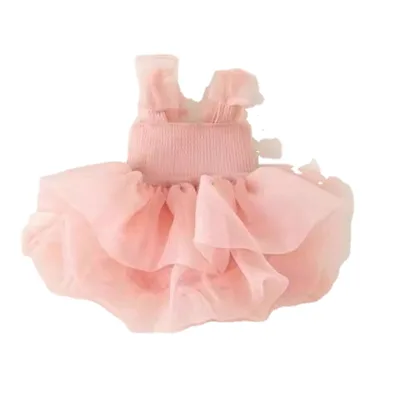
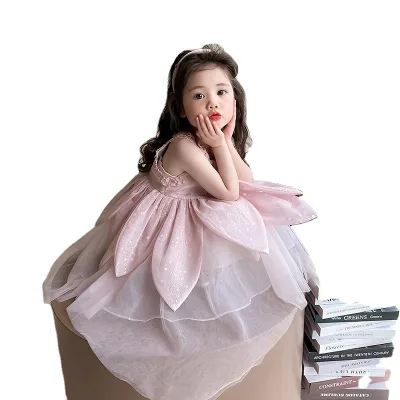


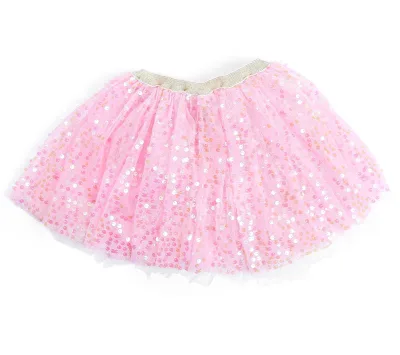
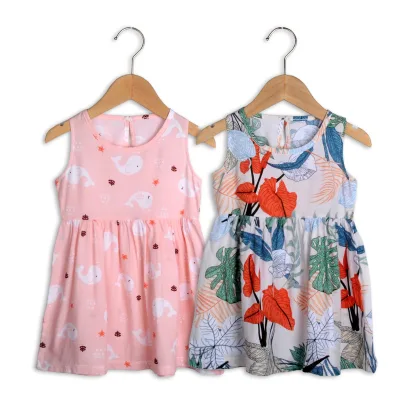


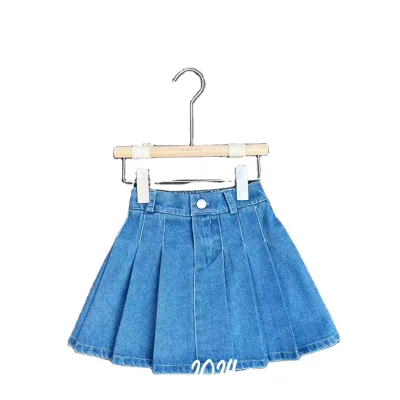
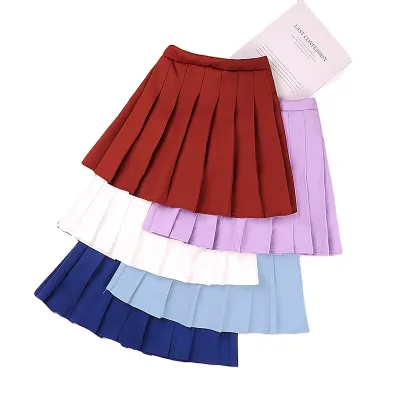
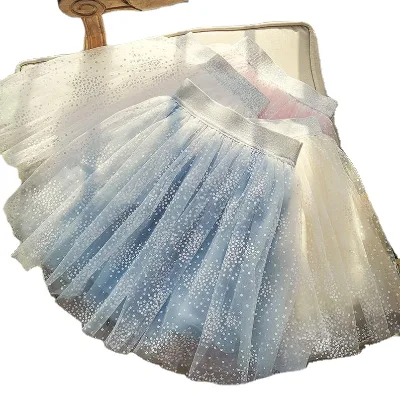
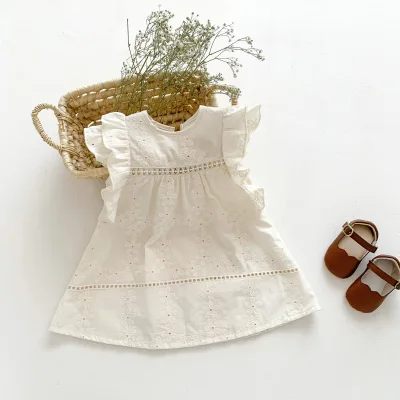


Comprehensive Sourcing Guide
Sweet Polyester Girls Skirt Sourcing Guide
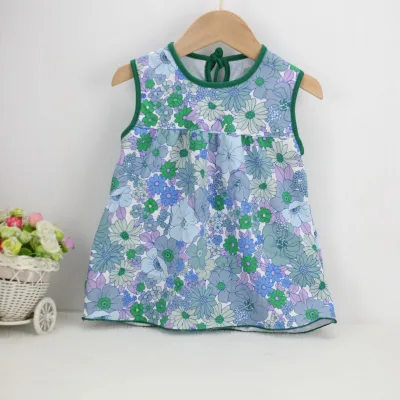
Sourcing sweet polyester girls skirts requires a nuanced understanding of material properties, aesthetic trends, and manufacturing capabilities. Polyester is a dominant fabric in this category due to its durability, colorfastness, and resistance to wrinkling, making it ideal for children’s active wear. Buyers must distinguish between standard polyester blends and specialized finishes that enhance comfort and breathability. The term "sweet" often implies specific design elements such as floral patterns, pastel color palettes, or playful silhouettes like A-line cuts. Understanding these stylistic cues is essential for aligning product selection with target market preferences.
The procurement landscape for these items is characterized by a high volume of in-stock items and customizable options. Suppliers frequently offer OEM services, allowing brands to apply customized logos and specific packaging requirements. This flexibility supports both private label development and direct retail replenishment. However, the diversity of available models, ranging from simple cotton frocks to more complex printed designs, necessitates careful specification management. Buyers should prioritize suppliers who demonstrate consistent quality in their printed techniques and fabric handling, as these factors directly impact the final product's appeal and longevity.
Product Scope and Observed Listing Signals
The current market for sweet polyester girls skirts exhibits a wide range of product variations, with observed prices spanning from $0.50 to $17.00 USD. This broad price spectrum reflects differences in material quality, design complexity, and order quantities. Minimum Order Quantities (MOQs) vary significantly, ranging from small batches of 2 units to large industrial orders of 300 units or more. Some suppliers list an MOQ of 10,000 units, indicating a focus on bulk manufacturing for large retailers. Buyers must carefully evaluate these thresholds against their inventory needs and cash flow constraints to avoid overstocking or insufficient supply.
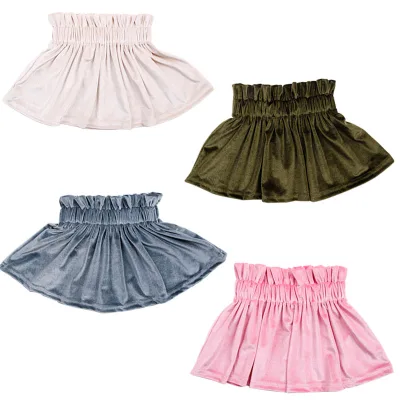
Product attributes observed in listings include various materials, with polyester being a primary component, though some items are listed as 100% cotton. This discrepancy highlights the importance of verifying material composition before placing orders. Designs often feature plant patterns, colorful aesthetics, and specific styles such as A-line skirts or high-waisted cuts. Sizes range from infant options for 0-9 months to children aged 3-8 years, with height specifications like 100-150cm. These details underscore the need for precise size chart verification to ensure fit accuracy across different age groups and body types.
Technical Specifications to Verify
Technical verification begins with confirming the exact material composition and fabric weight. While polyester is common, buyers must distinguish between pure polyester and blends, as this affects breathability and care instructions. For items marketed as cotton, such as the Baby Cotton Frocks, verification is critical to prevent misrepresentation. Fabric weight and density influence the skirt’s drape and durability, so requesting fabric swatches or detailed GSM (grams per square meter) specifications is advisable. This step ensures the product meets the expected quality standards for children’s wear, particularly regarding softness and skin-friendliness.
Construction details and finishing techniques are equally important to assess. Listings indicate various technics, including printed, knitted, and embroidered options. Buyers should verify the quality of these finishes, such as the clarity of printed plant patterns or the durability of embroidered logos. Additionally, specific design features like button-up collars, front fly buttons, and sleeve styles (short, 3/4, or long) must be confirmed against the product description. Ensuring that these elements are securely attached and function correctly is vital for safety and usability, especially for younger children who may pull on clothing components.
Compliance and Safety Documentation
Safety compliance is non-negotiable for children’s apparel, requiring rigorous documentation from suppliers. Buyers must request test reports for flammability, chemical content, and physical safety, such as the absence of small detachable parts that pose choking hazards. Although specific certification statuses are not provided in the listing data, buyers should insist on compliance with relevant regional standards, such as CPSIA in the US or EN 71 in Europe. These standards ensure that the polyester fabric and any dyes or finishes used are free from harmful substances like lead, phthalates, or azo dyes.
Packaging and labeling requirements also play a crucial role in compliance. Items are often packed in polybags, which must meet specific safety standards to prevent suffocation risks. Labels should include accurate fiber content, care instructions, and country of origin, typically China or Guangdong. Buyers should verify that all labeling is permanent and legible, as this is a common point of failure in customs inspections. Ensuring that the supplier provides comprehensive compliance documentation helps mitigate legal risks and protects brand reputation in regulated markets.
Cost Drivers and Commercial Terms
Cost structures for sweet polyester girls skirts are influenced by material costs, production complexity, and order volume. Polyester is generally cost-effective, but specialized prints or embroidery can increase production expenses. The observed price range of $0.50 to $17.00 USD reflects these variations, with higher prices likely corresponding to more intricate designs or premium fabric blends. Buyers should analyze the cost breakdown to understand how much is attributed to materials versus labor and overhead. This transparency helps in negotiating better terms and identifying potential areas for cost reduction without compromising quality.
Commercial terms, including lead times and payment conditions, vary among suppliers. Some listings mention a 7-day sample order lead time, but it is noted as "Not Support," indicating potential delays in sample production. Buyers must clarify sample availability and costs upfront to avoid disruptions in the sourcing process. Payment terms often depend on the order size, with larger orders potentially offering more favorable conditions. Understanding these commercial dynamics allows buyers to plan their inventory cycles effectively and manage cash flow, ensuring a smooth procurement process from sample approval to final delivery.
Supplier Qualification and Quality Control
Supplier qualification involves assessing manufacturing capabilities, quality control systems, and past performance. Buyers should prioritize suppliers with a proven track record in producing children’s apparel, particularly those specializing in polyester and cotton blends. Verifying the supplier’s production capacity and consistency is crucial, especially for large orders with high MOQs. Requesting references or case studies from previous clients can provide insights into the supplier’s reliability and ability to meet deadlines. Additionally, evaluating their response to customization requests, such as logo application and packaging, helps gauge their flexibility and customer service quality.
Quality control measures should be established before production begins. Buyers must define clear quality standards for fabric, stitching, and finishing, and communicate these to the supplier. Implementing pre-production samples and in-line inspections can help identify and rectify issues early in the manufacturing process. Post-production random inspections are also recommended to ensure that the final products meet the agreed-upon specifications. Establishing a robust quality control framework minimizes the risk of receiving defective goods and ensures that the sweet polyester girls skirts meet the brand’s quality expectations.
Long-Term Procurement Checks
Long-term procurement success depends on continuous monitoring of supplier performance and market trends. Buyers should regularly review supplier metrics, such as on-time delivery rates, defect rates, and responsiveness to issues. Building a strong relationship with reliable suppliers can lead to better pricing, priority production, and improved communication. Additionally, staying informed about emerging trends in children’s fashion, such as new patterns, colors, or sustainable fabric options, helps in keeping the product offering fresh and relevant. This proactive approach ensures that the brand remains competitive in the dynamic children’s apparel market.
Sustainability and ethical sourcing are increasingly important considerations for long-term procurement. Buyers should evaluate suppliers’ commitment to ethical labor practices and environmental responsibility. While specific certifications are not listed, inquiring about the supplier’s policies on waste reduction, energy usage, and fair labor practices can provide valuable insights. Aligning with suppliers who share these values enhances brand reputation and meets the growing consumer demand for ethically produced children’s clothing. Regular audits and open dialogue with suppliers can help drive continuous improvement in these areas, ensuring a sustainable and responsible supply chain.
FAQs
What material is used for the princess dress?
The product is made from polyester, though some variations may use 100% cotton. Buyers should verify the specific material composition for each model number before placing an order to ensure it meets their quality requirements.
Can I get a customized logo on the skirt?
Yes, customized logos are available for this product line. Buyers can request specific branding options, but they must confirm the customization details with the supplier since the standard offering allows for personalization on the garment.
Which age group does this girls skirt fit?
The skirt is designed for girls aged 3 to 8 years, fitting heights between 100 and 140 centimeters. Some listings also indicate a range of 100 to 150 centimeters, so buyers should check the specific size chart for their target demographic.
How long is the sample order lead time?
Sample orders are not supported for this specific product listing. Buyers looking for samples should be aware that the standard lead time for a 7-day sample order is explicitly marked as not supported in the current inventory data.
What is the minimum order quantity for this item?
The minimum order quantity varies significantly, ranging from 2 units up to 300 units depending on the specific supplier. One listing indicates a high MOQ of 10,000 units, so buyers must verify the exact threshold with the vendor.
Where are these skirts manufactured?
All listed products originate from Guangdong, China. This location is consistent across the high-confidence facts provided, ensuring that buyers know the specific region of production for the polyester and cotton garments available in the catalog.
Which seasons are these skirts suitable for?
The skirts are primarily designed for summer wear. They feature styles like short sleeves and A-line cuts that are appropriate for warm weather, making them ideal for party occasions during the summer season as specified in the product attributes.